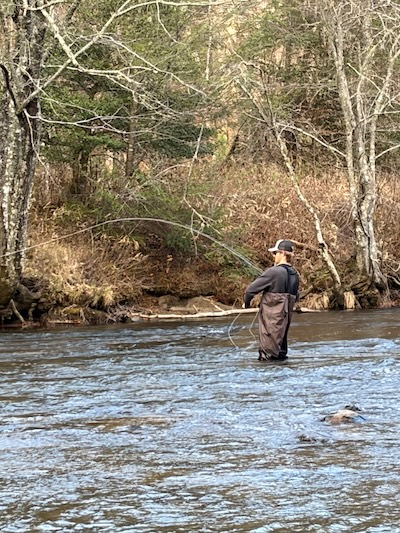
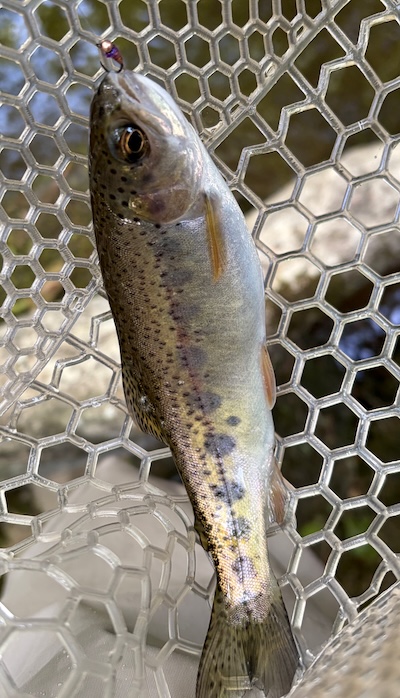
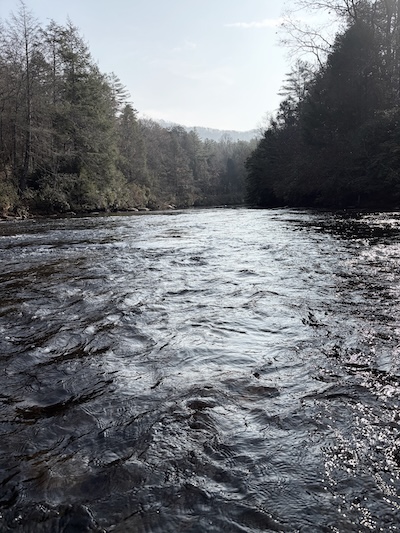
The Toccoa River is the crown jewel of trout fishing in north Georgia, and most of its best water sits within a short drive of Blue Ridge. What confuses a lot of first-time visitors is that there are really two Toccoa Rivers — a wild freestone stream above Lake Blue Ridge and a coldwater tailwater below the dam — and each one fishes differently depending on the time of year, demands different gear, and carries very different risks. This guide breaks down both sections, explains how the Blue Ridge Dam releases work (and why they matter for your safety), maps the public access points, and walks through the tributaries that hold some of the biggest numbers of stocked trout and the most beautiful wild trout in the Peach State.
The Toccoa River at a Glance
The Toccoa flows roughly 56 miles through Georgia, starting near the tiny community of Suches in Union County and running generally north until it crosses into Tennessee at McCaysville/Copperhill. Once it crosses the state line, it changes names and becomes the Ocoee — same river, different state. Along the way it passes through the Chattahoochee National Forest, fills 3,290-acre Lake Blue Ridge behind TVA’s Blue Ridge Dam, and emerges on the other side as one of the most consistent year-round trout fisheries in the southeastern United States.
Fannin County markets itself as the “Trout Capital of Georgia,” and the title fits. Between the upper river, the tailwater, and a dense network of stocked and wild trout tributaries, you could fish a different stretch of moving water every weekend of the year and not exhaust the options.
Two Rivers in One: The Headwaters vs. the Tailwaters
The Upper Toccoa (Headwaters Section)
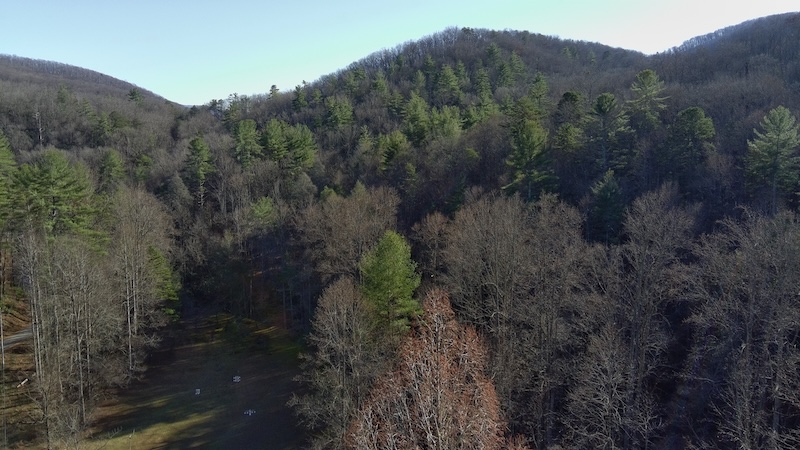
The Upper Toccoa is the river above Lake Blue Ridge — from the headwaters near Suches downstream to where the river enters the lake. It begins as a small mountain stream formed at the confluence of Cochran and Mauldin creeks just outside Suches and gathers volume as Cooper Creek, Rock Creek, Noontootla Creek, and several smaller tributaries pour in.
This is classic Appalachian freestone water: pocket water, plunge pools, riffles, and tight overhanging cover. The river runs cold in spring and fall, warms up in summer, and is small enough in most spots to fish with a 7½- or 8-foot 3- or 4-weight fly rod. The Upper Toccoa holds a mix of stocked rainbows and a quiet population of wild brown and rainbow trout, with the wildest fish living up in the more remote headwater stretches and in the tributaries themselves.
The Upper Toccoa is at its best in spring (March through early June) and fall (September through November), when water temperatures sit in the trout-friendly 50–65°F range and hatches are heaviest. In summer, the river warms quickly and the smart move is to push higher into the cooler tributaries.
The Lower Toccoa (Tailwater Section)
Below Blue Ridge Dam, the river changes character completely. The water released from the bottom of Lake Blue Ridge stays cold all year — often in the 50s even in August — which keeps trout happy and active when the rest of north Georgia is too warm to fish. This 15-mile stretch from the dam to the Tennessee state line at McCaysville is what anglers call the “Toccoa tailwater.”
The tailwater is wider, deeper, and gentler than the upper river. It’s heavily stocked with rainbow trout by Georgia DNR, holds a strong population of wild brown trout (some genuinely large — fish in the 18- to 24-inch range are caught here every year), and even sees a small number of brook trout in the mix. Consistent cold water and stable insect populations make the tailwater the most productive trout fishery in Georgia, with reliable hatches of midges, caddis, and mayflies (Blue-winged Olives, Hendricksons, Sulphurs, March Browns) carrying anglers from January through summer.
Just remember: the same dam that creates this fishery is also what makes it dangerous. More on that below.
Blue Ridge Dam Releases: What Every Wade Angler Must Know
Blue Ridge Dam is operated by the Tennessee Valley Authority (TVA), and water is released through a single generator on a schedule that changes day-to-day based on power demand, lake levels, and weather. The Toccoa tailwater has essentially two flow states: no generation (low, wadeable water with visible rocks and pocket structure) and one generator running (a fast, glassy, much deeper river with very few features at the surface).
When TVA starts a release, the river below the dam can rise 2 to 4 feet in 20 to 40 minutes. Flow can increase tenfold. An angler standing thigh-deep on a shoal at Tammen Park can be in real trouble before they’ve even noticed the water creeping up — and crossing back to the bank can become impossible.
How to Check the Generation Schedule
TVA publishes the daily Blue Ridge generation schedule online and over the phone:
- TVA Lake Info website: tva.com/environment/lake-levels/blue-ridge
- Next-day schedule: typically posted by 6:00 PM the previous evening
- If the generators column shows anything other than 0, wading is too dangerous for that period of time.
Wade-Fishing Safety Rules That Actually Matter
- Check the schedule before you leave the cabin — and check it again at the access point. Schedules can change without notice for storms or power demand spikes.
- Watch the water, not just the time. The leading edge of a release moves downstream — anglers near Curtis Switch or Horseshoe Bend see the rise an hour or more after Tammen Park does. If sticks, foam, or mud suddenly appear, get out immediately. Note how much the rocks stick out and if you notice those levels rising, exit the river immediately.
- Never cross the river if you’re not 100% sure you can get back. A rock bar that’s easy to cross in 200 cfs becomes a one-way trip when generation starts.
- Wear a wading belt. Always. It’s the single piece of gear that buys you time if you get swept off your feet. Not to mention if you fall in even on a good calm day, it will prevent your waders from filling with water.
- Buy a wading staff. Next to good boots for traction, a wading staff is the best tool you can carry with you while wading. It gives you and extra contact point for balance and allows you to probe the depth in front of you before your next step.
- If you’re new to the tailwater, hire a guide for your first trip. Two hours with a local guide will teach you more about reading release water than a year of trial and error.
The Best Public Access Points on the Toccoa
The map below shows the Toccoa River corridor from the headwaters near Suches up to the Tennessee line at McCaysville — zoom in to find the access points listed below, or zoom out to see how the river fits into the broader Blue Ridge area.
Tailwater Access (Below Blue Ridge Dam)
Tammen Park — The closest access to the dam, with a paved boat ramp, big gravel parking lot, restrooms, and concrete steps down to the river. This is the most popular put-in for drift-boat floats and the busiest wade spot on weekends. From Blue Ridge, head north on Highway 515 and watch for the signs on the right just before the bridge.
Curtis Switch — A mid-river bridge access about 6 miles below the dam, with fishable water on either bank. From Blue Ridge, take Highway 515 to the Highway 60 stoplight (about a half-mile past the auto dealerships), turn left onto Highway 60, go about 4 miles, then turn left onto Curtis Switch Road. Smaller parking area, often a quieter wade than Tammen.
Horseshoe Bend Park — About 8 miles below the dam, with a boat ramp, restrooms, a pavilion, and what many locals consider the best public wade water on the entire tailwater. A short trail walk from the parking area gets you onto the river. Less pressure than Tammen, especially weekday mornings.
Upper Toccoa Access (Above Lake Blue Ridge)
Deep Hole Recreation Area — A U.S. Forest Service site on Highway 60 south of Morganton with a developed boat launch, picnic area, and easy bank access. Popular as the upper put-in for canoe and kayak floats through the Toccoa River Canoe Trail.
Sandy Bottom Canoe Access — A primitive Forest Service take-out about 5 miles downstream of Deep Hole. Wading is good here when flows are below 350 cfs.
Shallowford Bridge — A historic wooden bridge over the Upper Toccoa and an iconic local landmark. Public wade access on both sides, and the bridge sits right at the bottom of the river’s Delayed Harvest section.
The Delayed Harvest Section
From November 1 through May 14, Georgia DNR manages the stretch of the Upper Toccoa from 0.4 miles above Shallowford Bridge upstream to 450 feet above the Sandy Bottom Canoe Access under Delayed Harvest regulations. During those months, anglers must release every trout immediately and use only artificial lures with a single hook. The stretch is stocked monthly through the winter, which makes it one of the highest-density trout fisheries in the state during the cold months — a phenomenal place to teach a kid (or yourself) to catch fish on a fly. From May 15 through October 31, normal trout regulations apply.
The Tributaries: Where the Wild Trout Live
If you want truly wild trout, you have to leave the main river and walk up the tributaries. The Toccoa watershed includes some of the best small-stream fishing in the Southeast.
Noontootla Creek
Considered by many anglers to be the best freestone wild trout stream in Georgia. Be warned, this is THE most technical of all of the area streams. Expect to climb very steep banks and you may get stuck hiking for miles before you can access the road again. If you can’t make a bow and arrow fly cast, don’t even waste your time.
Noontootla was removed from the state stocking schedule in the 1960s and has been managed as a wild trout fishery ever since. The creek and its tributaries hold wild brown and rainbow trout, with brook trout in the highest headwaters. Special regulations apply on Noontootla and its tributaries: artificial lures only, single hook, 16-inch minimum size limit. Most fish you catch will be small and stunning — and you’ll release every one of them happily.
Cooper Creek
One of the most heavily stocked and most heavily fished trout streams in Georgia, thanks to easy access through the Cooper Creek and Mulky campgrounds in the Cooper Creek Scenic Area. Great for a family fishing day. Hike upstream away from the campgrounds and you’ll find smaller, wilder fish in pocket water and plunge pools.
Rock Creek
Home to the Chattahoochee Forest National Fish Hatchery, which raises and releases tens of thousands of trout into the Toccoa watershed each year. The creek itself is small, pretty, and heavily stocked — a peaceful place to spend a morning. Several Forest Service campgrounds along Rock Creek Road make it an easy half-day trip.
Other Tributaries Worth Knowing
- Stanley Creek — Small wild-trout stream northeast of Blue Ridge, lightly fished, primarily wild rainbows.
- Suches Creek — One of the original feeder streams that forms the Toccoa near Suches.
- Canada Creek — A small but productive tributary that holds stocked and wild trout.
- Fightingtown Creek — Joins the Toccoa near McCaysville; warmer water, but holds smallmouth bass and the occasional trout.
When to Fish & What to Throw
- Winter (Nov–Feb): Midges, small black stoneflies, Blue-winged Olives, zebra midge droppers. Delayed Harvest section is on fire.
- Spring (Mar–May): Best overall season. Hendricksons in April, March Browns and Sulphurs in May. Elk Hair Caddis, Parachute Adams, Pheasant Tail Nymph.
- Early Summer (Jun–Jul): Sulphurs continue into early July. Light Cahills. Mornings and evenings only on the upper river.
- Late Summer (Jul–Aug): Terrestrials — ants, beetles, hoppers — and tiny midges. Fish the tailwater during low-generation windows.
- Fall (Sep–Nov): October Caddis, BWOs on overcast afternoons. Brown trout begin pre-spawn aggression.
Frequently Asked Questions
Do I need a Georgia fishing license to fish the Toccoa?
Yes. Anyone 16 or older needs a current Georgia fishing license plus a trout license to fish for or possess trout. Licenses are available online at georgiawildlife.com and at most outdoor retailers in Blue Ridge.
Can you wade the Toccoa River during a dam release?
No. The tailwater becomes deep, fast, and dangerous within 20 to 40 minutes of a generation release. Always check the TVA schedule before wading, and exit the river immediately if you notice the water rising.
What’s the difference between the Upper Toccoa and the Toccoa tailwater?
The Upper Toccoa is the free-flowing river above Lake Blue Ridge — a smaller freestone stream with wild trout and pocket water. The tailwater is the 15-mile cold-water stretch below Blue Ridge Dam, which stays cold year-round because TVA releases water from the bottom of the lake. The tailwater is wider, deeper, and more heavily stocked.
Is the Toccoa River good for beginners?
Yes — especially the Delayed Harvest stretch near Shallowford Bridge from November through mid-May, where stocking is heavy and fish are forgiving. Tammen Park is also beginner-friendly during low-water days. Hire a local guide for your first day on the tailwater.
What’s the biggest trout caught in the Toccoa?
The Georgia state record brown trout — over 20 pounds — was pulled from the Toccoa tailwater. Brown trout over 20 inches are caught every year by anglers who know the river.
Stay Close to the River
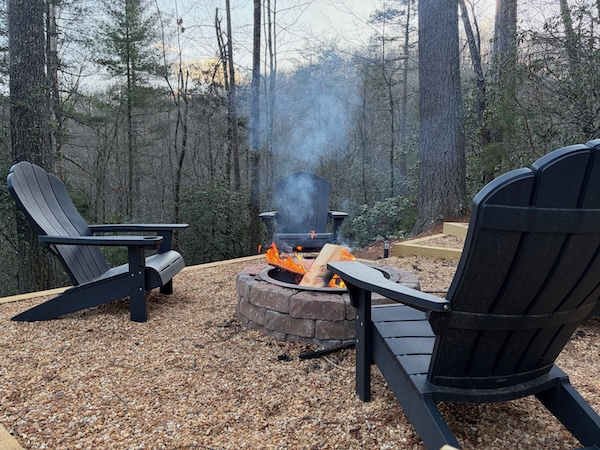
The Lazy Laurel is our mountain cabin in Cherry Log, GA — about 15 minutes south of downtown Blue Ridge and an easy drive to Tammen Park, Curtis Switch, the Shallowford Bridge Delayed Harvest stretch, and the Cooper Creek and Rock Creek tributaries. After a day on the water, you can dry your waders by the fire pit, soak in the hot tub, and start planning tomorrow’s float. Check availability and book your Blue Ridge fishing trip basecamp at The Lazy Laurel.
Tight lines, and please respect the river — pack out what you pack in, mind the wading belt, and check that TVA schedule before you step in.